Rail Itinerary Planning Across the United States
Trip design built on named Amtrak routes and published service patterns.
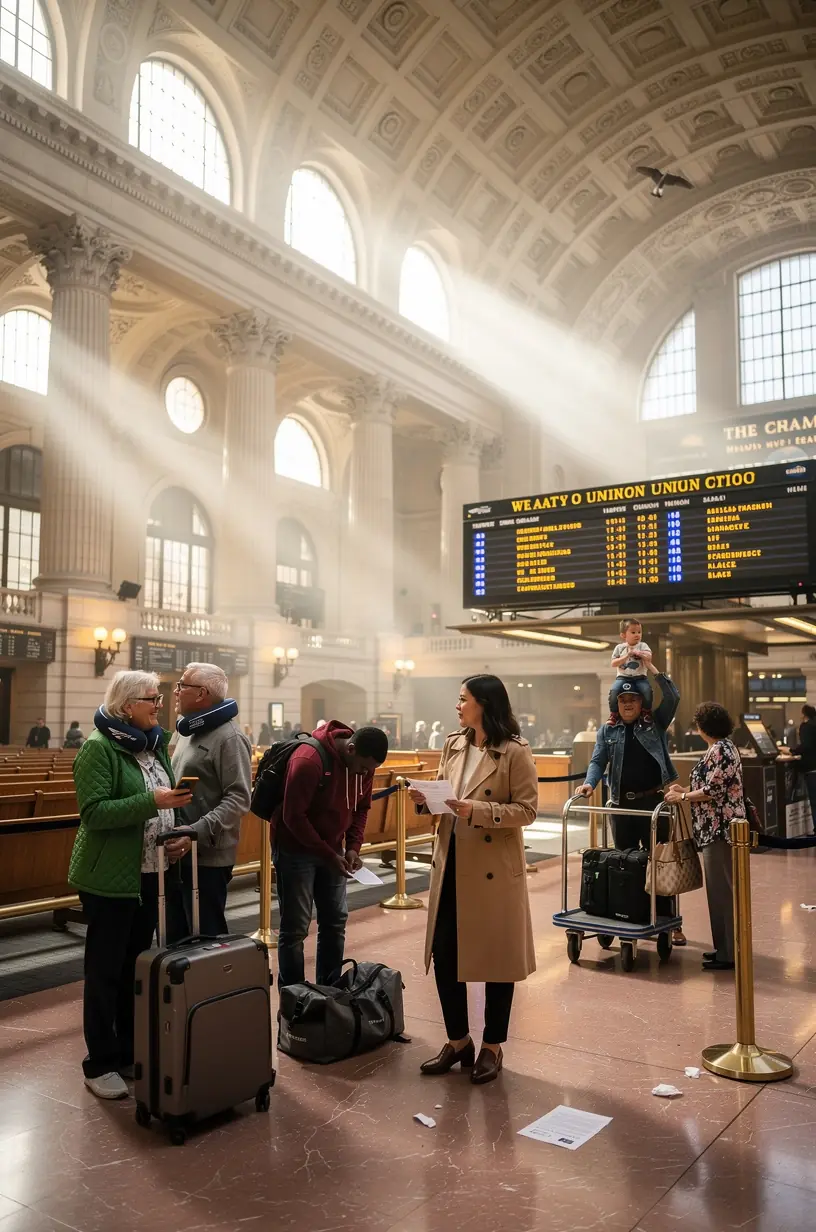
proustite.net builds itineraries around named Amtrak routes rather than around cities chosen at random. Each plan lists the specific train, the direction of travel, the boarding and alighting stations, and the scheduled connection windows between them. Overnight stops are placed at stations where arrival and departure times allow a full day on the ground without disrupting the next rail segment. Planning documents include estimated onboard hours, transfer buffers, and the days of the week on which each train operates.
US rail itinerary planning service centered on named Amtrak routes.
Every itinerary is constructed from actual Amtrak route schedules and connection points.
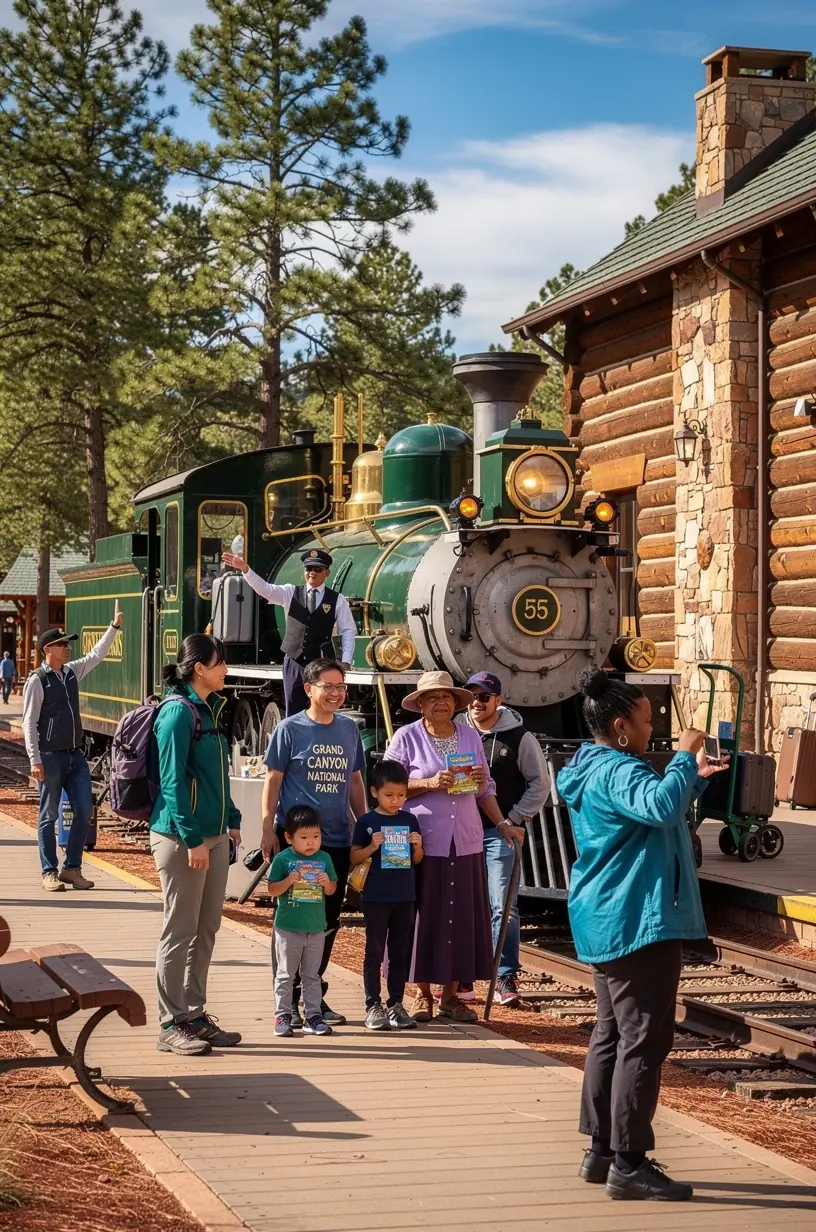
The service designs travel plans around specific Amtrak routes such as the California Zephyr, Empire Builder, and Coast Starlight. Each itinerary uses published timetables to sequence segments, overnights, and stopovers. City visits are placed at stations with practical connection times and available services. The resulting plan includes a day-by-day schedule with train numbers, arrival and departure times, and suggested hotel locations near stations.
Named Route Integration
Plans are built around actual Amtrak routes like the California Zephyr, Empire Builder, and Southwest Chief. Each route has its own schedule, frequency, and onboard amenities. The service uses the latest published timetables to determine feasible connections. Over 25 named routes are available for inclusion in custom itineraries.
Connection Planning
The service analyzes station transfer times, including minimum connection windows at major hubs like Chicago, Denver, and Sacramento. Overnight stops are recommended at stations with lodging within walking distance. For routes with limited frequencies (e.g., three times per week), the plan accounts for layover days. Historical on-time performance data is used to build buffer times into the schedule.
City Stopover Design
City visits are placed at logical points along the route, such as Denver on the California Zephyr or Glacier National Park on the Empire Builder. Each stopover includes suggested duration based on local attractions and minimum stay requirements. The plan lists available hotels and their distance from the station. Stopovers are limited to stations where the train arrives and departs at convenient hours.
Plan Your Scenic U.S. Train Trip Today
Start Your Scenic Rail Adventure
After you submit the form, a U.S. rail travel specialist will review your route interests, preferred stops, timeline, and connection needs. We’ll follow up within 24 hours with clear, practical next steps and honest guidance tailored to your trip—no obligation.
About proustite.net
Itinerary planning for long-distance rail travel in the United States.
The practice was established in March 2019 in Denver, Colorado, and is run by a small planning team. Work is limited to itinerary design for long-distance passenger rail, with no tour operation, hotel booking, or ticket resale. As of January 2024, 1,180 itineraries had been delivered, and repeat clients accounted for 31% of requests. Average planner experience is nine years, drawn from travel planning, transport scheduling, and rail operations backgrounds.
Tailored Rail Journeys
Custom itineraries combining iconic train routes, city stopovers, and landscapes, tailored to your interests and schedule for a seamless adventure.
Worry-Free Connections
Detailed connection planning with backup options ensures smooth transfers between trains, cities, and attractions, minimizing travel stress.
Scenic Route Expertise
Insider knowledge of the most breathtaking segments and optimal times to experience America's diverse landscapes by rail.
Planning Services
Itinerary design, stopover placement, connection review, and consultation.
Services cover the planning stages that precede booking, from route shortlisting to a written day-by-day plan. Each engagement produces documents that can be compared directly against Amtrak booking pages and published timetables. Scope and preparation time are stated before work begins, and one revision round is included in standard plans. Group work and single-topic consultation are offered as separate services.
Route-Based Itinerary Design
Itinerary design begins with the named route rather than with a city list. The plan names the train, the direction of travel, and the specific stations where the traveler boards and steps off. Scheduled running times, days of operation, and arrival and departure hours at each candidate stop are recorded in a segment table. Segment order is tested against published Amtrak timetables before any stop is fixed.
Overnight Stopover Planning
Stopover planning places city visits at stations where the schedule supports them. A stopover is only scheduled when the inbound train arrives and the outbound train departs on a workable pattern for that city, with at least one full day between the two. The plan states the number of nights, the stations used, and the next available train if a segment is missed. Cities requiring a same-day turnaround are marked as pass-through stops rather than overnight stops.
Connection and Transfer Review
Transfer review checks each connection against historical on-time performance for that route rather than against the published timetable alone. Long-distance trains share track with freight traffic, and delays of several hours occur on some corridors. The review lists each connection, its scheduled buffer, and whether a missed transfer would require an overnight stay. Where buffers are tight, the plan proposes an earlier arrival or an alternate pairing of trains.
Scenic Segment Mapping
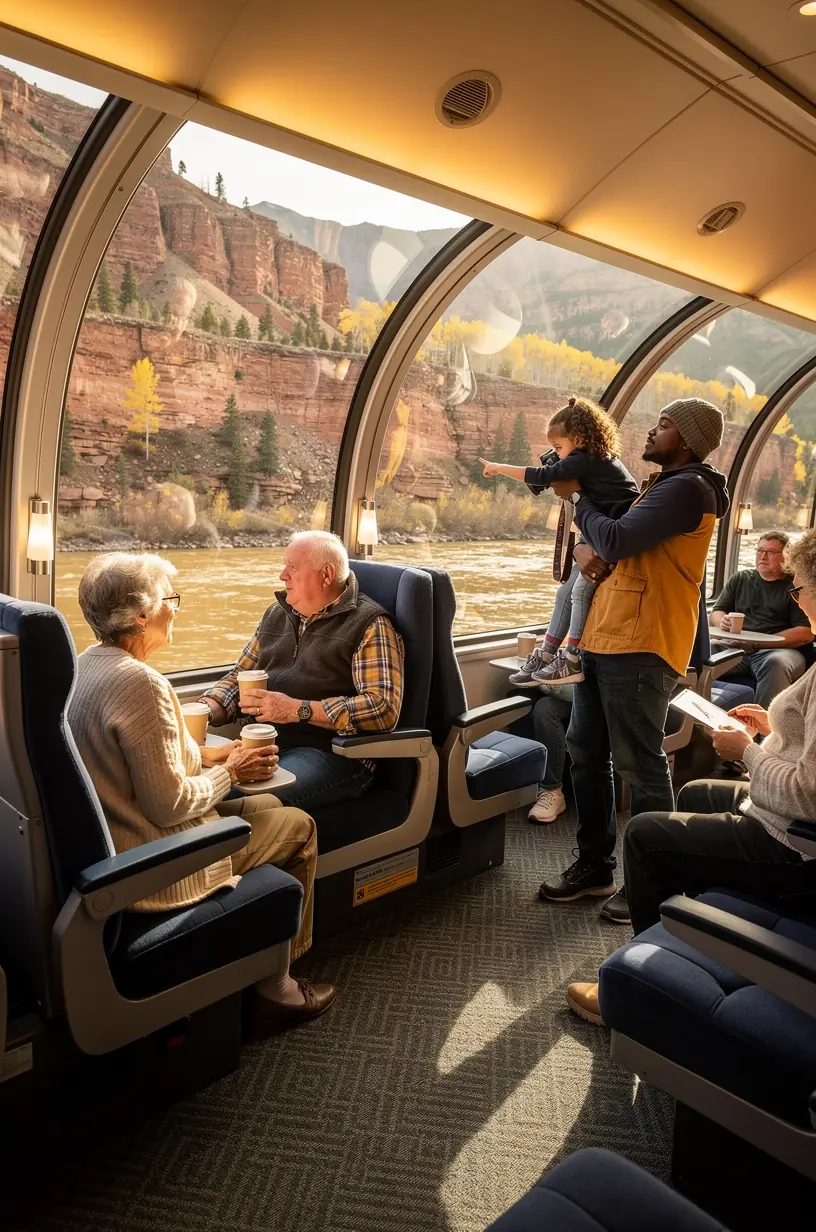
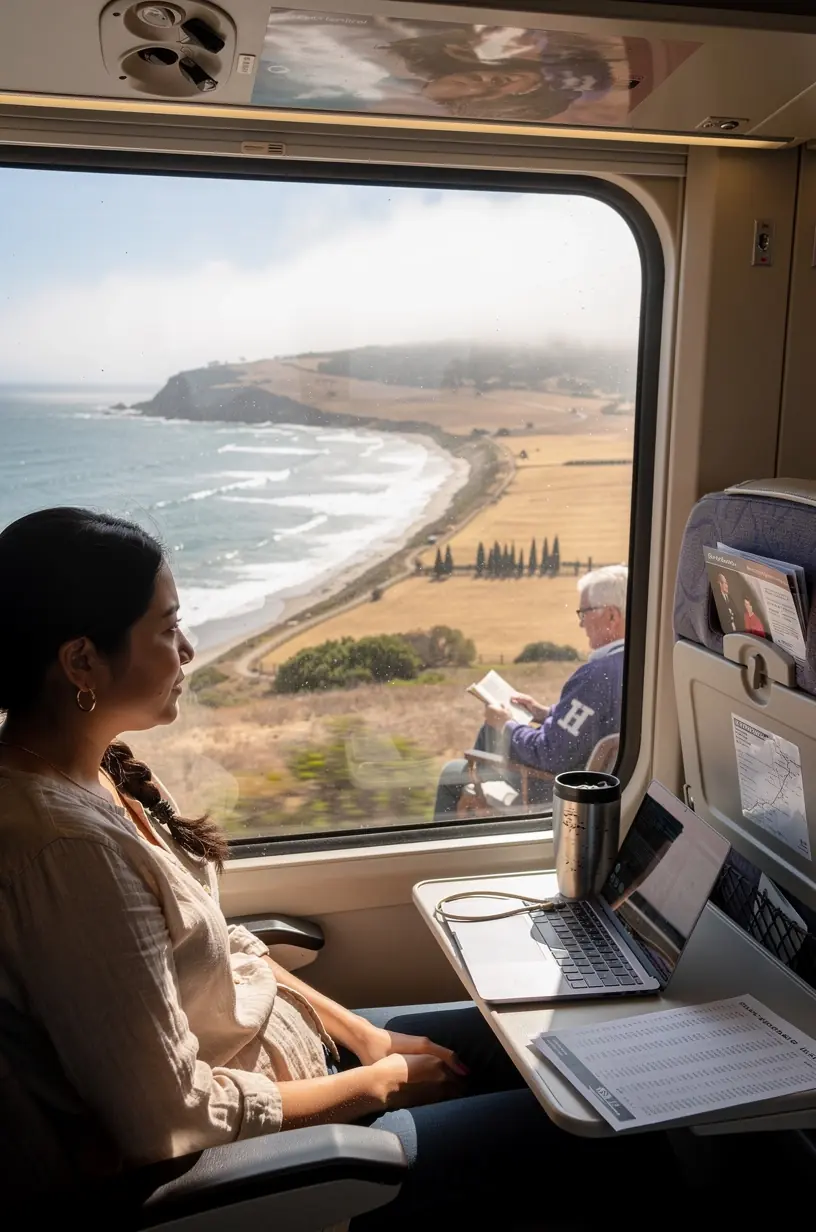
Scenic segment mapping identifies the portions of each route that pass through notable terrain and notes the approximate clock hours when the train reaches them. The Colorado River stretch of the California Zephyr, the Columbia River Gorge on the Empire Builder, and the Pacific coast line of the Coast Starlight are examples tracked in this step. Where a scenic stretch runs after dark in one direction, the opposite direction is noted as the alternative. Direction of travel is recorded as a planning variable.
Accommodation and Onboard Planning
Onboard planning covers the difference between coach seating, roomettes, bedrooms, and accessible rooms on long-distance trains. The plan states which accommodation types exist on each train, which meals are included with each, and how far in advance sleeper space typically sells out on summer departures. Room dimensions, berth counts, and shared restroom and shower arrangements are listed where published. Sleeper inventory is separate from coach inventory and is priced per room rather than per traveler.
Group Rail Planning
Group planning handles parties of six or more travelers on shared itineraries. Sleeper space on a single departure is limited, so group plans often split the party across adjacent rooms or across two departures one day apart. The plan documents the room block requested, the number of travelers per room, and the seating arrangement for coach segments. Group meal service, baggage handling at staffed stations, and check-in procedures are described for each stop.
Rail Travel Consultation
Consultation covers questions that do not require a full itinerary, such as which route fits a fixed number of days or how a specific connection behaves in winter. Sessions run 45 minutes by phone or video, and written notes are sent by email within one business day. Typical topics include route comparison, station access, baggage rules, and trip length estimates. Follow-up questions by email are answered within two business days of the session.
Contact
Planning inquiries and scheduling
Inquiries are handled by email and answered within two business days. Intake forms are sent after the first reply so that route shortlisting can begin. Consultation sessions are scheduled Monday through Friday, 9:00 to 17:00 Mountain Time, by phone or video call. Group planning requests are routed to the client coordinator.